


Can plastics recycling truly scale to meet aggressive sustainability goals? Host Christine Yeager sits down with Andy Brewer, Director of Sustainability and Recycling at the Plastics Industry Association, to break down what happens when consumer packaging leaves the curb. Together, they tackle the pervasive myth that recycling is a scam and analyze how trackers in waste streams cause serious contamination. Andy explains how the New End Market Opportunities program proves the business case for polypropylene recovery and high-yield sorting. You'll hear practical insights on why recyclers demand long-term contract certainty before investing in processing infrastructure. Discover why fixing the gap between policy mandates and manufacturing capacity is the only way to build a functional circular economy.
---
Watch the episode here
Listen to the podcast here
The Truth About Plastics Recycling And End Markets With Andy Brewer
If you want to know whether plastic recycling can scale, talk to the person whose job it is to figure out where recycled plastic goes next at an industry level. That is Andy Brewer, Director of Sustainability and Recycling at the Plastics Industry Association, where he leads the New End Market Opportunities Program, manages the Recycling Committee, and oversees the Zero Waste Recognition Program.
He came up through manufacturing with a global manufacturing engineering technology degree from the University of Dayton and six years as a program manager in injection molding. That background puts him right at the friction point of EPR. Collection is getting funded. Material only circulates if a manufacturer can run it through their system and make money doing it. We are going to have a conversation about that intersection and to help you enjoy it. Thank you for being here. I am excited for this conversation. How do you live with intention?
I heard that question on your show; I tuned in to a couple of your shows on Spotify.
Do you like them?
I did. It is a deep first question. How you live with intention. Normally, I talk with others about that. It is a good question when looking at your professional life. Everybody, as human beings, wants to have an impact in the world. On a personal side of things, I think that I really strive to make others happy, and I gain energy from others' happiness by being goofy or funny or always having a smile on my face. On the professional side of things, trying to find that impact, I think I struggled a lot with that early in my career, coming from the manufacturing industry of plastics.
Finding Purpose In Industrial Packaging Systems
I used to work at a smaller, family-owned company in Ohio, and we were making car parts and parts for appliances, millions and millions of pieces of plastic. I was missing that impact on the world. That is where I started to build a sustainability career. I saw a lot more impact in recycling and figuring out how to engage with the people we worked with in this facility to be greener, to focus more on the recycling aspect of the industry. With making parts for automotives, you are making millions a year.
It is very repetitive, but there is a much bigger impact when you start to look at recycling your waste or putting recycled content into things. That is where I started to shift my old company's mindset to focus more on recycling. That led me into my sustainability career, which has been fantastic. Now, working at the Plastics Industry Association, we have a much bigger impact on the world. Instead of just being at one company, we work with all of our fantastic members on a global scale. That impact can be seen a lot more easily than where I came from.
You are the chair of the Seenability Committee. You know what the Plastics Association is. A lot of people do.
The Plastics Industry Association, we are the trade association that represents the full supply chain of the plastics industry. Our members are, we categorize members in three different buckets, equipment manufacturers, processors and converters, material suppliers. Everybody in between is part of our membership, and we act as one voice for the industry. It is really beneficial for folks. We have a really diverse membership. It could be a small company in Southern Ohio, or it could be an enormous global company.
Everyone is looking for that voice, though, as one, and we have to unify as an industry. That is why people join our association to be a part of that. Yes, I lead our recycling committee, which is one of our tactical committees at the association that focuses on anything and everything recycling. That could be advocacy and policy, a lot of government affairs work. We also do a ton of pilot projects with our membership. Engaging them in how we can figure out challenges around recycling, finding solutions for difficult-to-recycle materials, using their skill sets and expertise to show the benefits of why we do certain things in the industry.
Thank you. This is great. I have noticed that, like even the first thing I went to the cleanup. We were handed gloves that said recycling is real. A lot of people do not think, and I actually get a lot of people who will say to me, “Please tell me it is real. I do it, and I really want to make sure it is real. I hear a lot of that it is not working.” You all have been studying this with trackers.
No, not us.
Other people have. Can you share whether recycling is a scam or not?
Debunking The Myth That Recycling Fails
It is 100% not a scam. It is the worst environmental activist argument to not recycle. Imagine wanting to create a lower environmental footprint and keep things in a circular recycling system, telling others to not recycle. That is a crazy argument from my standpoint. There have been a number of different studies that have been done that put Apple tags into recycling materials. The first ones that came out were in film and plastic bags.
The Contamination Risk Of Digital Waste Trackers
For your store drop-off, when you bring your retail bags back to the store to be recycled, there were some groups that were putting Apple trackers in them. One of the more recent ones was actually done in the polypropylene space, which we can get into. The funny thing about doing this activity, number one, is actually creating more contamination for the recycling stream because we have a little battery, which is also very dangerous.
I feel like they would separate that out.
Absolutely, it would get separated out. That is what a lot of the data is showing. These trackers are ending up in the landfill. That is how the system is supposed to work. It is supposed to separate out those types of materials from the stream because you are not supposed to be contaminated. It is also extremely dangerous when you do this because batteries are such a big problem in the recycling space. They cause fires, and they are starting to be in all these little trinkets that people are putting in the recycling bins. It is really dangerous for the material recovery facilities, and so on and so forth.
We fight that narrative a lot, especially with plastics. The plastic system is very complex. There are so many different material types. It is very difficult to educate the masses on how things are recycled when you maybe do not even know what they are. With this complex system, it requires a lot of work on the sorting side of things, from an equipment standpoint and from a knowledge standpoint, to make an efficient system. Yes, recycling is 100% real. All those materials that go in your bin are being sorted. You mentioned you are from Colorado.
It is a brand new MRF in Colorado that just opened up. It is a massive achievement of technology and expertise, and all those materials go to one place. They get separated out and sent to recyclers for further processing. It is a multi-stage system that not a lot of people understand fully. Please put all your materials in the bin. One of the biggest things is also wishcycling. We do not want to encourage that.
That is where a consumer will put multiple different materials that maybe they do not know what they are or are not on their recycling list, their municipal recycling list. That is one thing we do not encourage. If you are interested in knowing what your area does, check it out online. Look up where you can bring film. We have a film directory that we operate where you can type in your zip code or your area and figure out stores that recycle film. Look up what your curbside bin recycles. The pictures and everything are great for consumers to understand.
Balancing Supply Deficits With Policy Mandates
At the end of the day, we need more material in the system. That is one of the big gaps in recycling. We have this massive amount of demand coming from recycled content mandates, from extended producer responsibility legislation. We are just creating more and more demand. We are lacking on the front end, the supply.
Quality supply. She said, like, wish cycling. A lot of people think of contamination as like, “I did not wash my yogurt cup enough.” It is like, also you need to put the right number of materials in there.
Yes, exactly. I feel like we get a lot of those questions. The biggest ones I get, which is funny, is can you put, like, greasy pizza boxes? Cycling, that is one. Do you need to rinse out your materials? At the end of the day, yes. We encourage it. It is not a huge deal if you forget how recycling works. If you recycle a yogurt cup or a dairy container that has organics in it, that material will be sorted at the material recovery facility.
It goes to the recycler, where they are actually putting that through a wash process. It is removing all that. If people do not rinse out their materials, that wash process is very important and very tricky when it comes to cleanliness of water and recirculating that water. It is super important to do that and follow the rules. At the end of the day, we encourage people to recycle everything they can.
Real sustainability impact comes from shifting manufacturing mindsets toward material circularity and recycled content.
If you are in an EPR state, that list becomes more consistent. If you are not, I was saying in another conversation recently, like, “Not everybody calls their MRF.” You should call your MRF and find out.
You absolutely should. Another thing about MRFs is that if you are really interested in learning more, give them a call, and they will take you on a tour of what it is like. It is really neat to see an MRF. It is fascinating, the sheer amount of material that moves through an MRF each day. They are just getting more and more innovative. They will take you on tours. Normally open to the public. They are pretty interested in having people come in because it also helps them when it comes to contamination. Consumers put tons of things in the MRF stream that should not be in there. Having someone go on a tour and learn exactly how the system works probably would help educate consumers a little more about recycling.
I love a good MRF tour. You mentioned recycled content mandates. On this show, I talk a lot about EPR. It is part of EPR, and there are more and more of these recycled content mandates. Actually, earlier this year, I was listening to someone else talk about what they think the next wave of legislation is going to be, and that there is maybe this bigger push on recycled content mandates. What are your thoughts? Do you think recycled content mandates work? Are they helping? Everyone wants a silver bullet. We know that there is not one. I am sure they are straight-offs.
They definitely work. It is a great driver for demand in the industry. One of the big issues with recyclers, if we move past the MRF into actual plastic recyclers, they are looking for certainty in the form of contracts at the end of the day. They need to know that the material that they are recycling is going to have a buyer for a long period of time. That is how you build infrastructure. You have to give them more certainty. Recycled content mandates do some of that. They will start to require recycled content in certain material types.
That will create the demand at the end that the recyclers want to see. Also woven into EPR, you have a lot of recycled content mandates. We do like to see these separate outside of EPR because they get a little muddied in the EPR language with all the different things that are included in the EPR bill. We do support recycled content mandates. One of the big things is that they have to be realistic.
We cannot just go out there and throw out certain percentages for material types without evaluating what is available in the system. Which creates a lot of stress if you go out and say, "We want to see 70% recycled PET by next year.” That is going to cause a lot of alarms throughout the industry. They have to be realistic. We, as an industry, need to do a lot more when it comes to educating legislators on how to build this language.
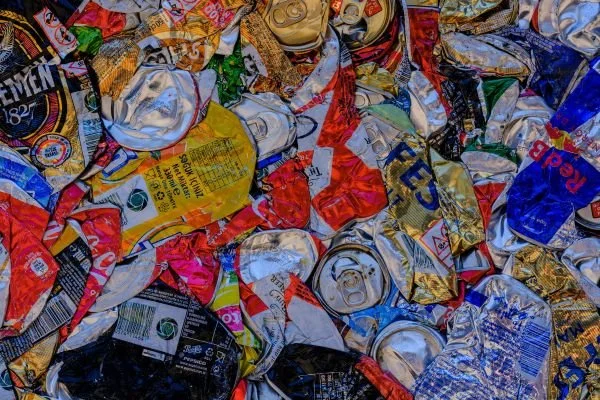
Plastics Recycling: Recycling isn't a scam. Modern sorting technology is proving that materials can and do stay in circular circulation.
We would love to see more of a universal national structure for recycled content mandates. One of the other tricky things is we have 50 states, and everybody's EPR and everybody's recycled content mandates are a little bit different. That would help the industry. From a recycling structure, it would help consumers if they had a uniform list that you can recycle the same things.
What? I do not even understand what you are saying.
They are very important for our industry. At the end of the day, they have to be realistic.
I know you mentioned pilots earlier, like this, you are doing a polypropylene pilot. What are you testing out, I guess?
Polypropylene. This program is part of our new end market opportunities program, which we called NEMO.
A good acronym.
Putting battery trackers into recycling bins creates fire hazards and proves sorting systems work by kicking them out.
We started this program because of our diverse membership. We are able to build a recycling program from collection to finished product, finished end products, and recycled content into another packaging type or product. We can do that with our members. They are really interested in showing us their expertise, and we can utilize their technologies. That is why we created NEMO. We are trying to prove the benefits of certain material types. This year, we have had a strong focus on polypropylene. Polypropylene, for those who do not know, is your number five plastic.
Unlocking New Commercial End Markets For Polypropylene
There are a lot of dairy containers. It is your ice cream tubs that are plastic. There are a few of them out there. One of the biggest material streams for polypropylene that consumers put their hands on every day is cups. Your soda cups from a number of different fast food chains. The biggest one is probably the Starbucks cup. That is the one we were talking about earlier with the trackers. With this polypropylene project, we are trying to build a state model that will show other states how to recycle polypropylene and how to build the program. There are a number of states that recycle polypropylene already. You can put it in the bin in Colorado, for example.
That is one of the material types. We want other states to turn the tap on at the material recovery facilities for polypropylene. We are trying to build out a program that says, “Here we are taking a look at what polypropylene bales look like.” We are focusing this program in Colorado, coincidentally. We are pulling bales from the MRFs in Colorado, doing a really in-depth bale characterization of what is inside these polypropylene bales. When you do a bale characterization, they are really at a high level. What you are looking for is contamination rates.
We went a few steps further and are identifying product types. We are identifying brand types. For our industry, we are also identifying resin grades. That has a big effect on how recycling streams work when you have different resin grades. In a polypropylene barrel, for example, your clamshells, which are your to-go containers for takeout food and stuff, have a totally different melt index than, say, a cup.
We want to identify all these different categories in a bale and basically go back to the state of Colorado and say, “Here is what your consumers are doing great. Here is what they could do a little better. Here is how we can help them.” After we do this, we are sending material to all these different recyclers. We want to try and repeat recycling processes to make sure that it can work properly in the future if you do start recycling polypropylene. We will then use this as a model for other states to turn on the tap for PolyPro.
Are you saying like there is a market, people want the material, they need quality bales, and they need, it is like if you collect it, they will come type of thing?
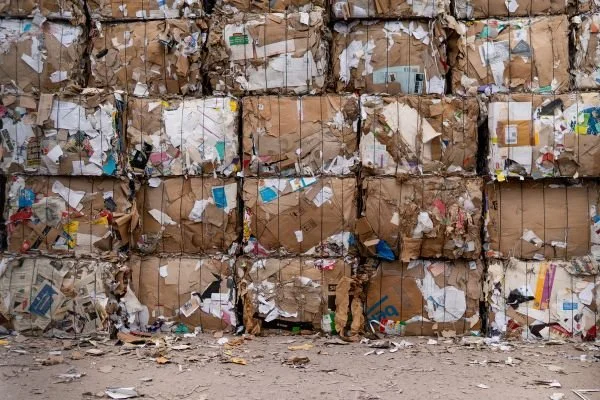
Plastics Recycling: Recycled content mandates create massive demand, but we need cleaner material supply to make those mandates work.
Yes. One of the big shifts with PolyPro planer over the past couple of years is that when Merph first started collecting PolyPro planer, we are getting a ton of volume. Now, more and more materials in grocery stores are shifting to polypropylene products. This material is out there. We need to show the MRFs, “This is how we would do it. Here is how we would recycle it. If you do start collecting polypropylene, you are going to have a really valuable material stream at the end of the day that can go into a number of different products. That is the versatility around polypropylene to go back into food packaging and also go into durable applications that are really high volumes. It is a really great material stream. We just need to figure out how to get more of it.
Just to reiterate for the audiences that, like, if somebody is willing to buy the bale, it becomes financially viable for the merchant to collect it.
MRF is a business at the end of the day. So is the recycling industry. They are looking for a certain price point on materials. We are doing this analysis right now in Colorado with a few different material recovery facilities. At the end of the day, they do have customers that these materials are going to. That is a really important piece. Polypropylene is widely recyclable. We are trying to get that last 30%, 40% of access across the country.
Where do you see the business case break down when at the end, like on the back door of the MRF? Where do you see some of the biggest challenges?
For plastics at an MRF?
Yes.
Testing polypropylene bales at the regional level builds the business case for material recovery facilities nationwide.
The Friction Between Automation And Resin Variability
The ever-changing product types that are out there are really tricky for MRFs. There is a big difference between some of the older MRFs and the newer MRFs. Just from a technology standpoint and being able to automate more and more, that is a huge piece of a MRFs business to eliminate that manual labor, also take out that human error, use more automation. From a plastic side of things, I think the complex nature of bales and all the different material types.
It makes it tricky for MRFs because they could be making a polypropylene bale for two years, and all of a sudden one of their end market users maybe does not want a certain product type in that category. That causes them a lot of issues with trying to figure out how to sort that out and divert that material in different ways. At the end of the day, the complexity of plastics. You think about all the other materials that go through an MRF, and they are pretty single streams. What plastics you have could have four or five different streams that have got to that have to be diverted.
Things that confuse you if you have the automation, there are things that come through and confuse the automation.
A little bit. That technology has really grown. The optical sorters are fascinating now. They are really high-tech. It is actually that some of them are starting to use AI and other technologies like that. It is really impressive. There are certain material types that used to cause issues. The one that everyone talks about is like the black plastics. It uses infrared, so it was hard to pick up black material types.
There have been a ton of innovations when it comes to the industry and materials going to MRFs. A big example is a few years ago, soda bottles. Some of them used to be green. I do not know where. Everybody in the PET market is looking for a nice, clear PET, which is most of your water bottles and soda bottles. That green bottle was causing a lot of issues in the stream because when you have even a couple of those in a thousand-pound bale, it changes. The quality of the bale.
There are a couple of things like that. There is still some green. Not all of them changed.
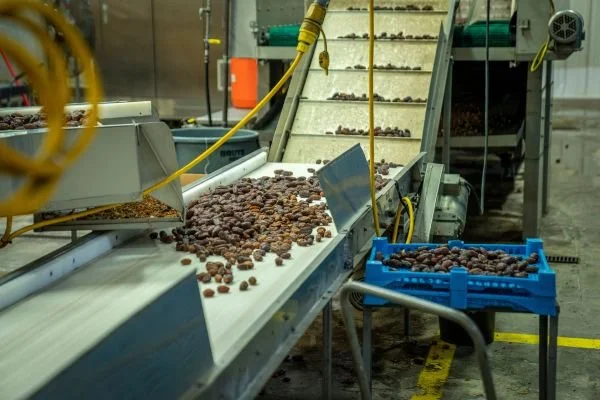
Plastics Recycling: High-tech optical sorters keep recycling efficient, but changing packaging formats constantly tests recovery limits.
That is a great question. Actually, I do not know.
Anyway, I should name brands.
I am trying to think if there is any in this, where we are right now.
Anyway, it does not matter. It is like that one was so interesting to me because I was part of the team that switched right from green to clear. It was like coming up with a way to talk to a consumer about that, because you were not making the bottle more recyclable. The bottle was still technically recyclable. It was just that you were making the quality of the bale at the end of the day higher, which meant more bales could go towards food grade. You cannot put that on a label.
At the end of the day, it is that brand's identification, the main piece of their market that consumers see that color and they are like, “That is what drink.”
They have changed the inside of the bottle too.
We are in this ever-changing system. Another big example we will stick to PET, which is your number one, is when COVID hit, everyone started doing takeout food and started using more clamshells, which are your food takeout containers. That started to cause issues in the PET stream because it has a different melt flow than bottle types. It is very tricky.
Tour your local MRF to see how materials move and eliminate the guesswork from your daily recycling habits.
Last question. What are some tips for people who are trying to navigate this changing recycling, plastic landscape or anything?
Empowering Consumers Through Local System Accountability
From a consumer standpoint, you need to work on your research at home, make sure that you look up what your area recycles. That is a very important piece, and try to put as much as possible in the bin. That is really what we advocate for. If that material can get to an MRF, we can do the rest from there. The industry is working really hard to deal with all these different complex materials. From being at home, do your research, make sure you are putting the proper materials in there. Be the change that you want to see. It is funny. We always talk about things like, how do you talk at parties about recycling?
It does not really come up a lot. It comes up a lot. For me, it comes up so much.
It is funny. I have personally not talked to too many naysayers about the industry. It is really important for us to show consumers that recycling is real. That is why we work on a lot of our projects. It is why we try to be really vocal as an industry. It is not coming from a place of negativity. We really truly want to improve consumers' recycling habits. We want them, like I said, to put more materials in the bin. At the end of the day, it comes down to them. Do not be lazy about it, I guess.
Is there like a stat or anything that has helped convince people to believe that recycling is real or like a fact or a story?
That is a great question. A stat. Look at numbers at the state level right now. Consistent data has been a really big gap in the plastic side of things. We are trying to put more and more data out there. It is really tricky to compile all this data. At the end of the day, we were working off of recycling numbers from 2015, a while. Everyone loved that stat that it is only six percent recyclable, or whatever it was, seven percent. Look at updated numbers now. A California loan for PET is thriving. The recycling rates are fantastic. We are very high up there. We do not typically compare to other material types. Check them out on your own, look up where recycling rates are at, and be part of that change where we can keep moving those numbers up.
I love it.
---
That was a great conversation with Andy to hear about deep diving into recyclability in the plastics industry. Again, talking about polypropylene, just in general, some of the things that stuck with me, which I said before, were that it was nice to hear someone else talk about how important it is to call your MRF to know whether or not they accept the material that you are trying to put into your bin, and that you can take a tour of your MRF.
If you have not taken a tour of your MRF, it is always a good reminder that touring your MRF is a great way to really understand and see some of the challenges of what cycling does or why they cannot take the things that they can, cannot take, and things like that. This also really underscores the point of how important data is in understanding what is possible with the recycling stream.
It was exciting to hear about the characterization work that the team is doing to better understand what makes the quality of a polypropylene bale better, what is holding some of these bales back and making them a lower grade. Always great to have a reminder to be the change you want to see. There is only so much one human can do. Nonetheless, leaning into that and thinking about it from that perspective when you are trying to lead change, it is like, how do I represent the future that I am trying to drive? I hope you enjoyed the session. We will see you in our next episode.
Important Links
About Andy Brewer
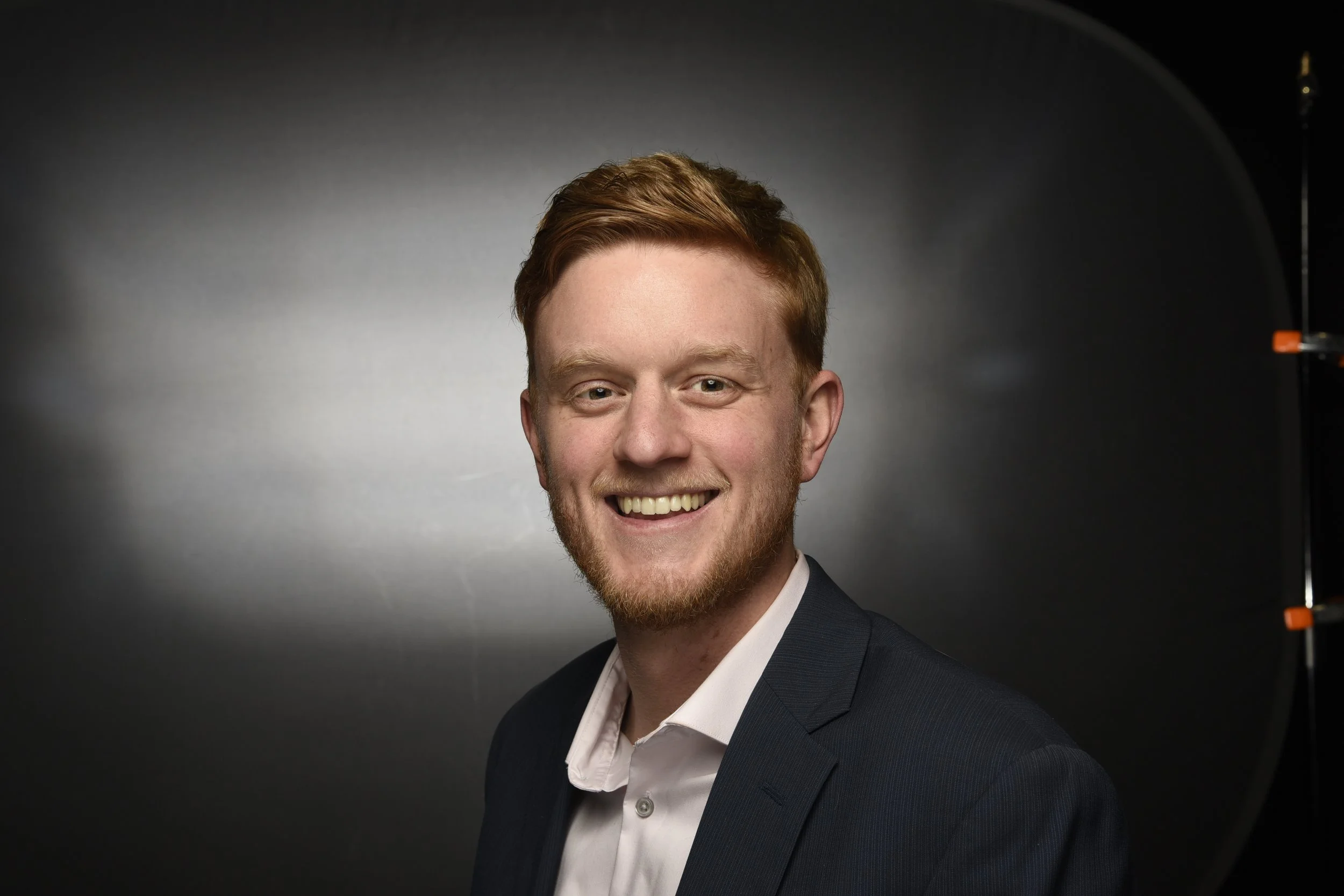
Andy Brewer is the Director of Sustainability & Recycling at the Plastics Industry Association (PLASTICS). He leads the association’s efforts in advocating for the growth of sustainability in the plastics industry by managing the PLASTICS Recycling Committee, promoting recycling development through the New End Market Opportunities Program, and managing the Zero Net Waste recognition program. Andy joined plastics in September of 2020 and prior to that he worked six years as a program manager in the injection molding industry. Andy graduated from the University of Dayton in 2015 with a degree in Global Manufacturing Engineering Technology.